Flight Reviews in Canada: How to Prepare, Book, and Succeed

One major milestone many Canadian drone pilots work toward is the flight review.
Whether you are preparing for Advanced operations or looking ahead to Level 1 Complex, your pathway matters.
At RPAS Centre, our certification courses and flight review packages are designed to help you move forward with clarity. You can start directly in Advanced or prepare for Level 1 Complex operations depending on your goals.
The key is knowing which step comes next and how to prepare for it properly.
What Is a Flight Review?
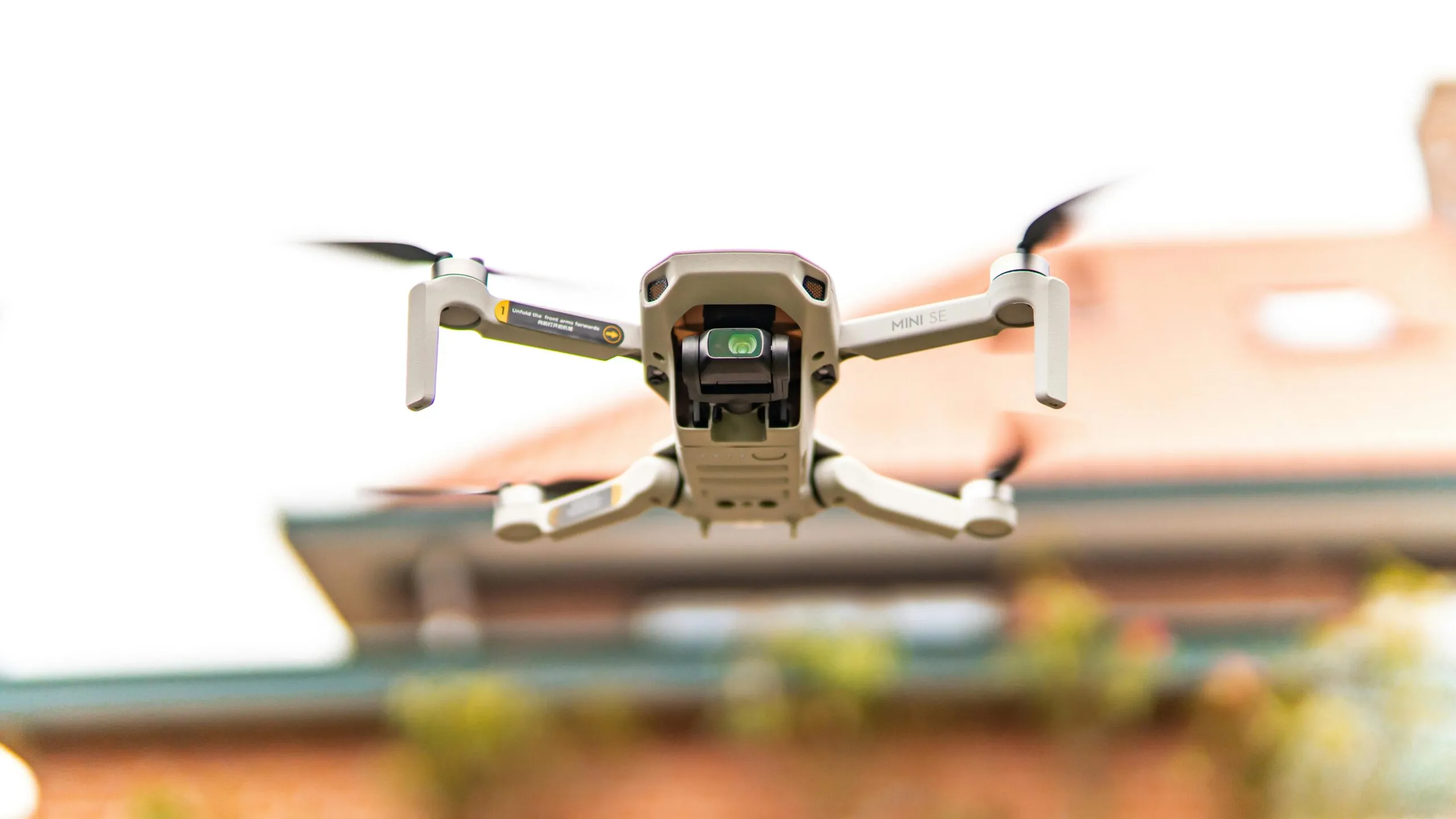
A flight review is a practical assessment required for advanced RPAS operations in Canada.
It is where you demonstrate that you can apply your knowledge in a real operational setting. This may include planning, safety checks, airspace awareness, emergency procedures, and your ability to operate professionally.
In other words, the flight review is not just about knowing the rules.
It is about showing that you can use them.
For many pilots, this is the point where certification starts to feel more serious. You are no longer only studying. You are preparing to demonstrate safe, confident, and compliant drone operations.
Should You Start with Basic or Go Directly to Advanced?
Many new pilots assume they need to complete Basic before Advanced.
You do not.
If your goal is to fly commercially, operate in more complex environments, or prepare for more professional opportunities, starting directly with the Advanced Course can save you time.
Why study twice when you can learn once?
RPAS Centre recommends the Advanced pathway for pilots who are looking for more flight flexibility.
If you know you are going to be flying Beyond Visual Line of Sight (BVLOS), you will need to pass the Advanced exam before starting the Level 1 Complex pathway.
If you are not sure which pathway fits your goals, start with our quick 3-question quiz.

Key Skills You’ll Be Tested On
A flight review is designed to assess whether you can operate safely, make sound decisions, and apply your knowledge in a real-world RPAS environment.
While the exact flow may vary depending on the reviewer, location, aircraft, and type of certification, these are some of the key areas pilots should be ready to demonstrate.
1. Pre-Flight Preparation and Briefing
Before you fly, you should be able to explain your plan and show that you have considered the operational risks.
This may include:
- Reviewing airspace classifications
- Checking weather conditions
- Identifying hazards near the flight area
- Completing a site survey
- Reviewing NOTAMs
- Understanding NAV CANADA airspace requirements
- Confirming aircraft readiness
- Checking batteries, failsafe settings, and equipment condition
Strong preparation shows the reviewer that you are not just ready to fly. You are ready to make safe decisions before the aircraft leaves the ground.
2. Takeoff and Hovering
You may be asked to demonstrate a smooth, controlled takeoff into a stable hover.
This helps show that you can control the aircraft confidently during one of the most important phases of flight.
You should be prepared to:
- Complete a controlled takeoff
- Establish a stable hover
- Maintain position safely
- Adjust for wind or environmental conditions
- Demonstrate control using the appropriate flight mode
3. Controlled Flight Maneuvers
During the flight review, you may need to show that you can control the drone accurately and maintain situational awareness while maneuvering.
Common skills may include:
- Straight-line flight
- Forward, backward, and lateral movement
- Controlled ascending and descending
- Figure-eight patterns
- Smooth directional changes
- Flight path adjustments while maintaining awareness of your surroundings
The goal is not just movement. The goal is controlled, intentional, and safe flight.
4. Emergency Procedures and Lost-Link Scenarios
A safe pilot knows what to do when something does not go as planned.
Your reviewer may ask you to explain or demonstrate how you would respond to abnormal situations, such as:
- GPS loss
- Radio link failure
- Return-to-home concerns
- Low battery warnings
- Flyaway risk
- Emergency landing scenarios
You should be able to stay calm, explain your decision-making, and show that you understand how to regain control or land safely when needed.
5. Landing Procedures
Landing is another key part of the review.
You may be assessed on your ability to bring the aircraft down safely and under control.
This may include:
- Smooth descent
- Avoiding drift
- Landing within a designated area
- Maintaining awareness of people, obstacles, and hazards
- Completing post-flight shutdown procedures
- Removing batteries safely
- Completing post-flight checks
A strong landing shows that you can complete the operation professionally from start to finish.
6. Radio Communications and Airspace Awareness
Depending on the operation and location, you may need to show that you understand airspace requirements and communication procedures.
This may include:
- Identifying controlled and uncontrolled airspace
- Explaining relevant airspace restrictions
- Understanding when NAV CANADA authorization is required
- Knowing how to obtain approval for controlled airspace operations
- Using standard aviation phraseology when required
- Understanding how NOTAMs may affect your flight
Airspace awareness is a major part of safe RPAS operations in Canada. Your reviewer will want to see that you understand where you are flying, what rules apply, and what approvals may be needed.
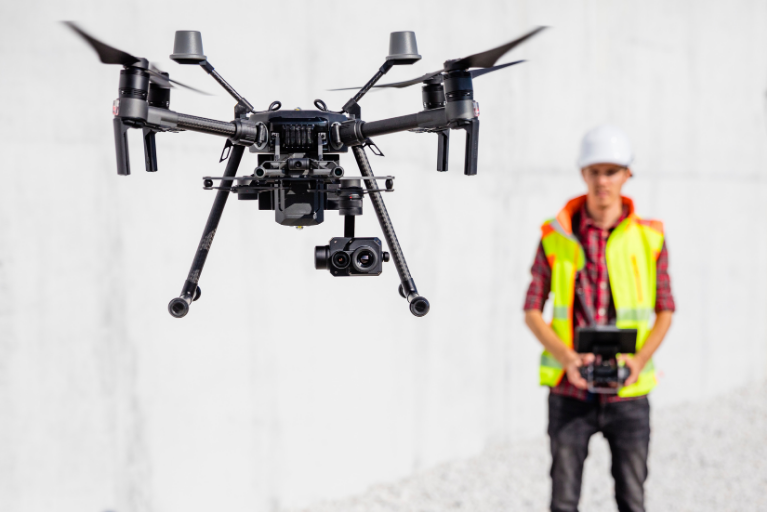
Preparing for your Flight Review
1. RPAS Centre’s Free Flight Review Prep Course
RPAS Centre offers a free Drone Flight Review Training Course, designed by expert instructors and professional pilots. This course will ensure you’re fully prepared for your Transport Canada Flight Review. Here’s what it includes:
Expert-designed modules covering all the review topics.
Real-world flight scenarios to help you understand safety protocols, airspace navigation, and emergency handling.
Comprehensive workbook with exercises that reinforce key concepts.
2. Book your Flight Review with RPAS Centre
Once you pass your RPAS exam, the next step is completing your flight review.
RPAS Centre has brought the same trusted training standard to flight reviews, designed to set you up for success.
We help match you with a reviewer, provide prep resources, and offer in-person readiness sessions with a second flight review attempt included in eligible packages.
Explore Flight Review Packages